
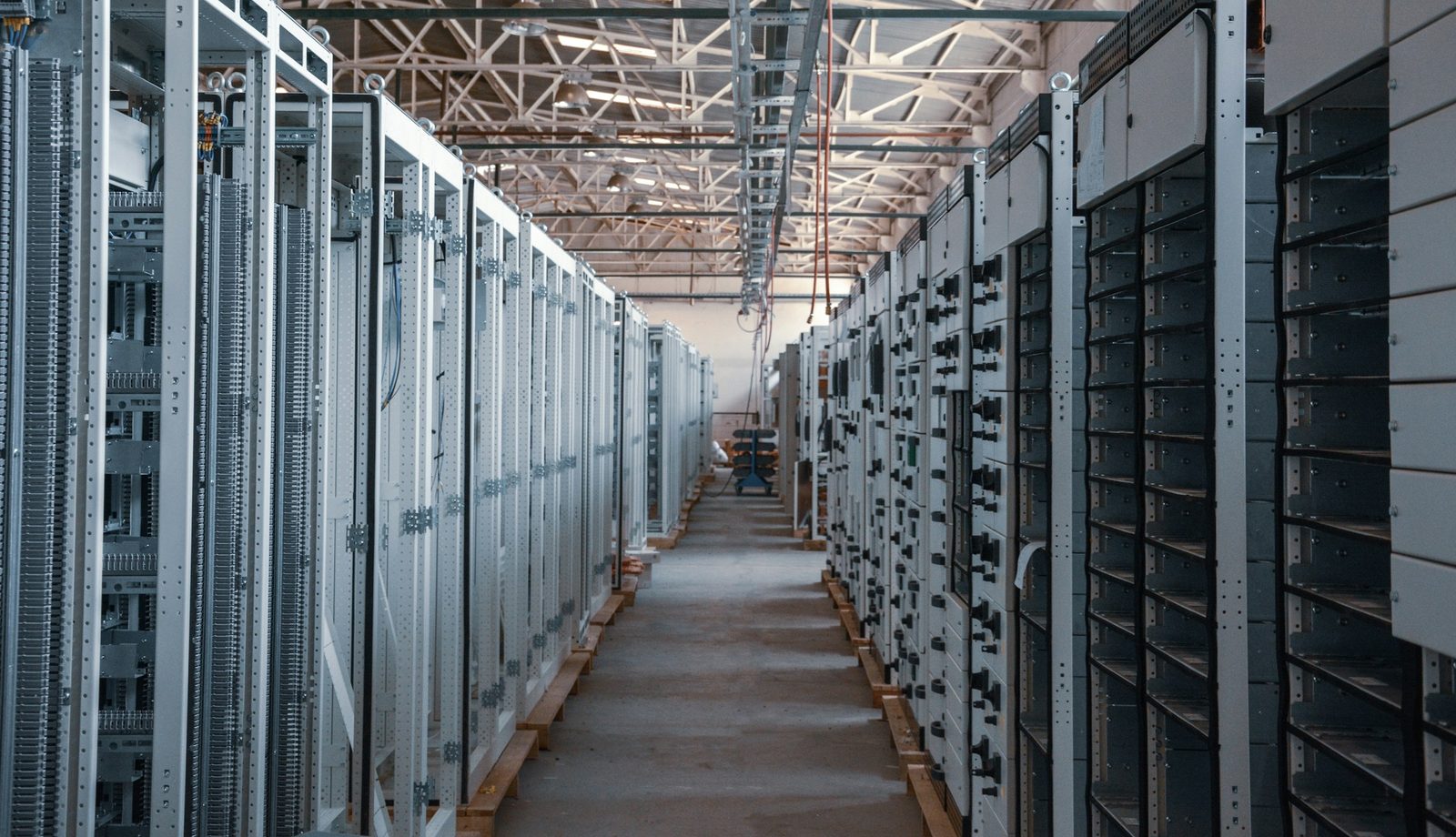
PTS relocates server rooms, comms rooms and data centre equipment across Hong Kong, and between Hong Kong, Mainland China and Singapore: rack-level planning from counts, unit heights and loaded weights, coordination with the colocation operator and building management at both ends, a shutdown and start-up sequence agreed in writing, protected transport with a documented chain of custody, and a cutover run overnight or across a weekend with rollback held open until every system is proven. ISO/IEC 27001 and ISO/IEC 20000 certified, relocating equipment in Hong Kong since 2001.
A server or data centre move is not an office move with heavier boxes. The equipment is less forgiving, the dependencies between systems decide the order of everything, and the gates you have to pass (the operator’s change window, the loading bay, the goods lift’s rated load, the new circuits) are booked weeks ahead and cannot be improvised on the night. This page covers how we scope and run that work. If the servers are moving as part of a wider office move, start with office IT relocation, which covers desks, Wi-Fi, AV and the day-one helpdesk, and treats the server room as one workstream within it.
Scoped from the racks, not the floor plan
Rack elevations, asset and dependency mapping, loaded rack weights and power and cooling requirements come first, because the floor loading, the lift, the transport and the sequence all follow from them.
Operator and landlord gates booked early
Colocation operators and building managers have different rules and different lead times: access passes and escorted works, loading bay and lift bookings, permitted works windows and the operator’s own change process. We book them as part of the plan, not as a surprise.
Chain of custody that survives an audit
Labelled, photographed and asset-registered equipment, anti-static packing, protected transport, and a record of who held what and when. Drives that are not moving are destroyed on site with evidence.
Proven before it is declared live
Each system is checked against its pre-move baseline before anyone calls it done, with engineers on standby into the first business day.
Free planning tool
Moving the server room with the office? Build the IT move plan in three minutes
The Office Move IT Planner lays out the week-by-week plan, circuits first, and flags what is already at risk on your dates. Keep it as a PDF or send it to us for a free move review.
What we relocate
- Server rooms and comms rooms moving with an office, or moving on their own because a lease, a landlord’s works or a building’s power and cooling has forced the issue.
- Colocation moves into, out of or between Hong Kong data centres, including consolidations from several cabinets to fewer and migrations between operators.
- Network core and internet edge: firewalls, core switching, routers and the circuits that terminate on them, with the public addressing and DNS changes that go with a new site.
- Storage and backup infrastructure, including the tape and backup appliances that are easy to forget until a restore is needed.
- Cross-border moves between Hong Kong, Shanghai and Singapore, where customs, export documentation and data-transfer rules sit alongside the physical logistics.
How we run a server or data centre relocation
1. Survey and dependency map
Every rack is surveyed and photographed; every device is recorded with its elevation, ports, power feeds and the systems that depend on it. The dependency map decides the shutdown and start-up order and exposes the undocumented system that would otherwise stop the move.
2. Move plan and change approvals
A written plan with the sequence, the timings, the rollback points and the names on the night. Submitted through the colocation operator’s change process and the landlord’s works approval where either applies, with the goods lift, loading bay and escorted access booked against it.
3. Circuits and addressing
New circuits ordered as soon as the destination is confirmed, because they take longer than anything else; the old circuit kept live in parallel through the cutover; public IP, DNS, VPN and firewall changes staged in advance so the cutover is a switch, not a rebuild.
4. Controlled shutdown and de-racking
Systems powered down in dependency order, cables labelled against the port map, equipment packed anti-static and transported under protection with the chain-of-custody record started at the first rack.
5. Re-rack, power-up and verification
Equipment re-racked to the new elevations, patched to the documented port map, powered up in the agreed order, and each system checked against its baseline before it is declared live.
6. Hypercare and handover
Engineers on site or on call into the first business day, the documentation updated to the new site, and the old space decommissioned: cabling removed, drives destroyed or wiped with evidence, and the asset register closed off.
Tell us the rack count, the sites and the date you have in mind
Two business days to what is achievable and a costed proposal, or a few questions first. No obligation.
Hong Kong specifics that shape the plan
- Goods lifts and floor loading. A populated rack can weigh several hundred kilograms. Older commercial buildings and industrial conversions have lifts and floors that were not rated for it, so we confirm the rated loads at both ends before the transport is booked, and de-populate racks where the numbers say so.
- Operator access rules. Hong Kong colocation facilities run escorted-works and pre-registered access, with works windows that are often overnight and booked a week or more ahead. A missed registration means a missed window.
- Circuit lead times. New fibre into a building without existing capacity from your chosen carrier can take weeks, sometimes longer. Ordering the circuit is the first action on every plan, and the old circuit stays live until the new site is proven.
- Typhoon season. Moves scheduled between June and October carry a weather clause: a signal 8 on the night means the plan slips to the agreed fallback date rather than the equipment travelling in it.
- Cross-border paperwork. Equipment moving to or from the Mainland needs customs documentation and, for the data on it, attention to the cross-border data transfer rules. Our China IT team handles the Shanghai end.
Should you move the servers, or move to the cloud?
A relocation is the natural moment to ask whether the equipment should move at all. Workloads that are already virtualised, email and file services still on local servers, and ageing hardware near end of support are often cheaper to migrate to Microsoft Azure or Microsoft 365 than to carry across town and keep running. Other systems, including line-of-business applications with licensing tied to hardware, latency-sensitive trading or production systems, and anything with data-residency constraints, are better moved as they are.
We give you that assessment as part of the survey, with the honest answer for each system, and our cloud services team runs the migration for the workloads that should not travel. Where the decision is to keep equipment but reduce it, a colocation consolidation often beats rebuilding a comms room in the new office.
Why PTS
Certified process
ISO/IEC 27001 and ISO/IEC 20000 certification means the chain of custody, the change control and the service management behind a move are externally audited rather than asserted.
Proven on regulated moves
We ran the Hong Kong and Singapore relocations for a global law firm, where confidentiality and continuity were conditions of the engagement, and delivered the infrastructure for a 250,000 sq ft corporate office fit-out.
One team across three markets
Hong Kong, Shanghai and Singapore engineers on one plan, so a regional consolidation or a cross-border move does not depend on three separate contractors agreeing with each other.
Vendor-neutral
We move what you have and recommend what you need, with no hardware agenda behind either.
Data centre and server relocation FAQs
How far ahead should we plan a server room or data centre move?
Three months is comfortable for a single-site move with existing circuits at the destination; six months is safer where new circuits, a colocation contract or landlord works are involved. The circuit lead time, not the physical move, usually sets the critical path.
Can the servers stay running during the move?
Not the ones being physically moved. We plan for a controlled downtime window, usually overnight or across a weekend, and reduce it by staging circuits, addressing and configuration in advance. Where a system cannot tolerate the window, the options are a temporary replica at the destination or migrating that workload to the cloud ahead of the move.
Do you coordinate with the colocation operator and the building?
Yes. We submit the plan through the operator’s change process, register the engineers for escorted access, and book the loading bay, lift and works window with building management at both ends. The booking gates are different at each, and we treat them as part of the plan.
How is our data protected in transit?
Drives are encrypted at rest where the platform allows it, equipment is packed and sealed with a documented chain of custody, transport is under protection with named custodians, and drives that are not moving are destroyed on site with photographic evidence. The insurance position for equipment in transit is agreed in the scope before the move.
Can you move equipment between Hong Kong and Mainland China or Singapore?
Yes. We run cross-border moves between the three, with the customs and export documentation handled alongside the logistics and the data-transfer rules considered for what is on the equipment. Our Shanghai and Singapore teams receive and rebuild at the far end.
What happens to the equipment we are not taking?
It is decommissioned under the same process: data destroyed or wiped with evidence, the asset register updated, and resale, recycling or certified disposal arranged. The old space is left clean enough to hand back to the landlord.
Should we move to the cloud instead of relocating the servers?
Sometimes, and we tell you which systems should and which should not as part of the survey. Virtualised workloads, email and files, and end-of-support hardware are the usual candidates; licensing tied to hardware, latency-sensitive systems and data-residency constraints usually keep equipment on the move list.
Do you also handle the office side of the move?
Yes. Where the server room is moving with the office, our office IT relocation service runs the whole move, with the server work as one workstream, and the Office Move IT Planner builds the combined plan.